
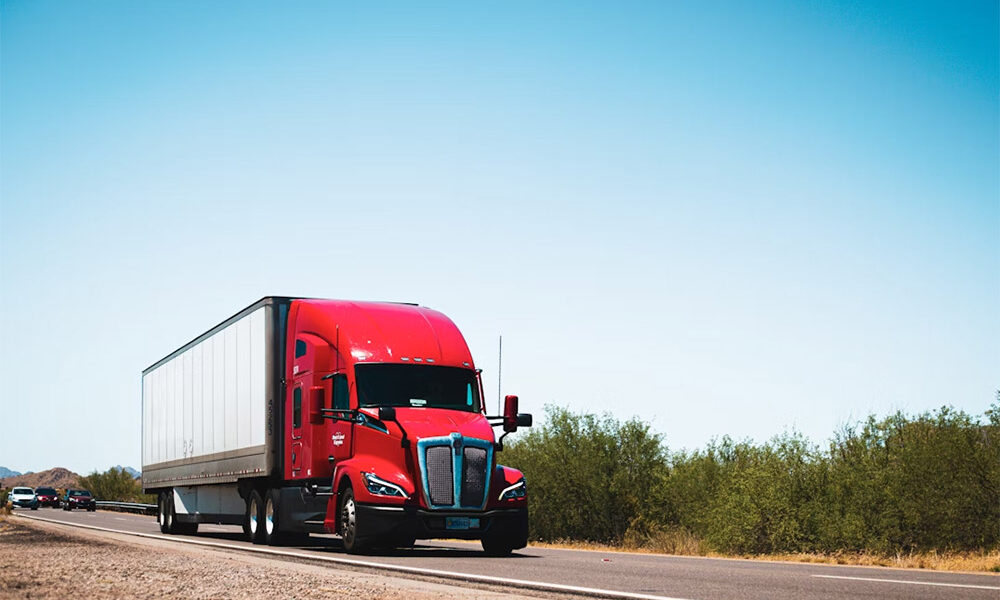
In 2025, California implemented significant legal changes that reshape the trucking industry—particularly around autonomous vehicles and injury liability. If you’re a CDL driver or someone injured in a truck crash, understanding these new laws could be the key to unlocking stronger compensation and clearer fault.
Let’s break down how Assembly Bill 316 (AB 316) and new liability insurance minimums could directly affect your injury claim.
Human Oversight Now Required: AB 316 Explained
AB 316 mandates that autonomous heavy-duty trucks (10,001 lbs or more) operating on California’s public roads must have a human safety operator physically present in the vehicle. This law—signed despite industry pressure to remove restrictions—places an essential safeguard for public safety and driver accountability.
Why This Matters for Injury Claims
When an accident involves an autonomous truck:
- A human operator is now legally required, meaning liability can be pursued against an individual—not just a faceless corporation or AI manufacturer.
- Victims no longer have to engage in complex arguments over tech malfunction or programming flaws. Negligence can be assessed the same way as with any traditional commercial driver.
- In the case of serious injuries, this streamlines the legal process by reducing ambiguity over who’s at fault.
Increased Liability Minimums: Greater Protection for Injury Victims
Another 2025 update raises the minimum insurance requirements for autonomous commercial trucks operating in California. This move ensures that victims of trucking accidents are better compensated when injuries occur—especially in collisions involving multiple parties or catastrophic injuries.
How Higher Insurance Limits Impact Lawsuits
- Larger settlements become possible, particularly when serious bodily injury, permanent disability, or wrongful death occurs.
- Injury attorneys can negotiate more aggressively, knowing there’s more coverage available beyond the previous outdated minimums.
- For truck drivers who are injured due to employer negligence, it increases the chances of collecting full compensation for medical bills, lost wages, reduced earning potential, and long-term rehabilitation costs.
Overlapping Liability: When Technology and Human Error Collide
Even with human operators required, autonomous systems are still active. In a crash, multiple layers of responsibility may come into play:
- Was the human operator negligent or distracted?
- Did the autonomous driving software make a faulty judgment?
- Was there a mechanical failure due to poor fleet maintenance?
- Were trucking company policies too aggressive or unrealistic?
Under California’s comparative fault system, your legal team can pursue claims against all liable parties, increasing your potential for recovery.
The Legal Landscape Is Now More Favorable for Injured Truck Drivers
These two legislative updates—AB 316 and higher liability limits—strengthen your legal position when you’re hurt in a trucking crash:
- They clarify liability: There must be a qualified person behind the wheel.
- They protect your future: With increased insurance coverage, you have better chances of securing the compensation you need to fully recover.
For truckers injured on the job, these laws add an extra layer of protection alongside your workers’ compensation benefits, allowing you to potentially pursue a third-party injury claim for broader financial recovery.
Injured on the Job in California? Truck Driver Rights Can Help
If you’re a California truck driver injured at work—on the road, at a loading dock, in a yard or warehouse, or during inspections or maintenance—Truck Driver Rights is ready to help. We understand how 2025’s trucking laws intersect with workers’ compensation and potential third-party claims, and we focus on maximizing your recovery for medical care, lost wages, future earning capacity, and pain and suffering where allowed.
What we do for injured truckers:
- Guide your workers’ comp claim from start to finish
- Identify third-party liability (e.g., shippers, property owners, maintenance providers, manufacturers) when negligence caused your injury
- Preserve evidence early—especially in incidents involving advanced vehicle tech or unsafe site practices
- Negotiate aggressively with insurers to pursue the full compensation you deserve
Contact Truck Driver Rights today for a free, confidential case review and protect your future after a workplace injury.